Chris
Le Veck
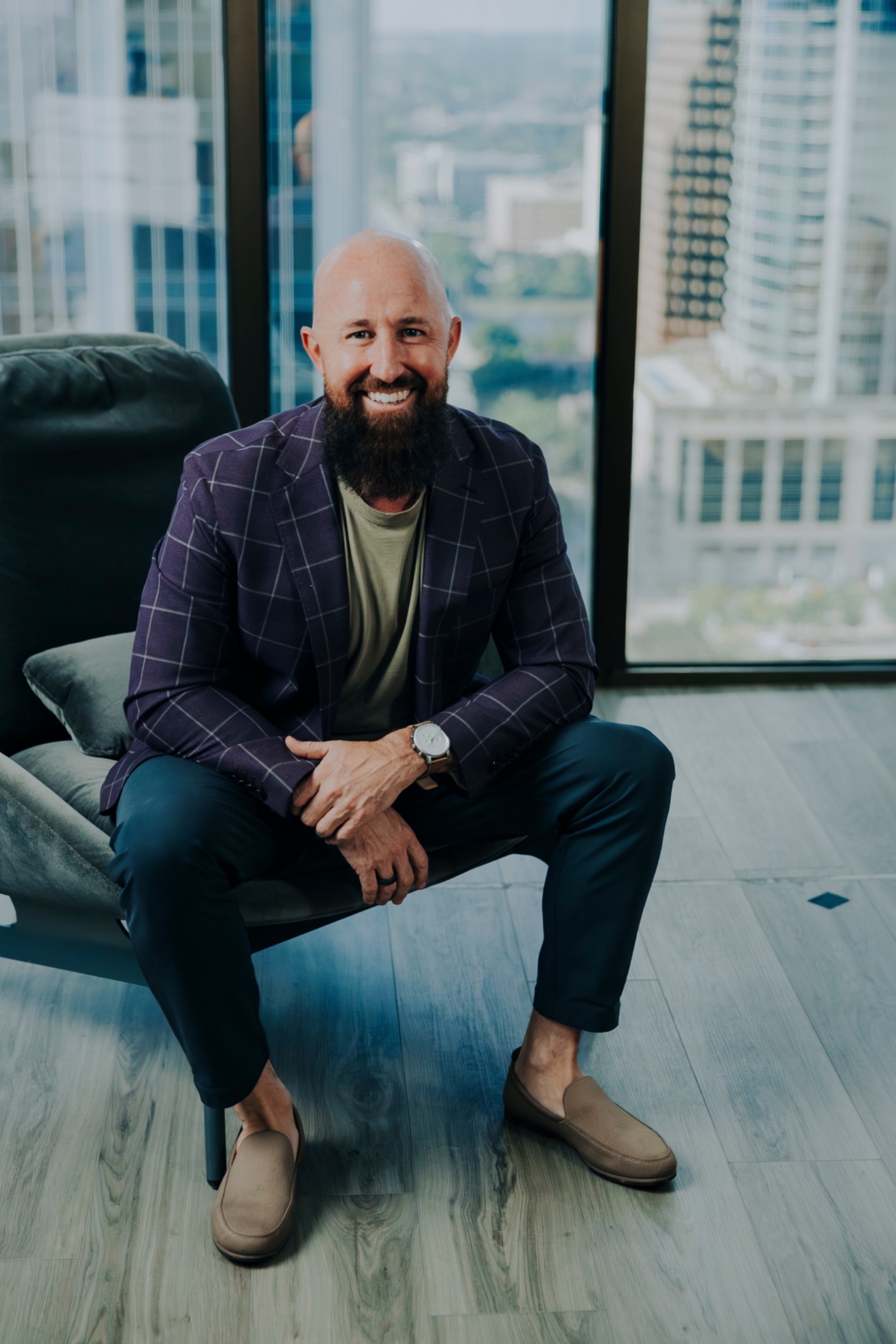
He built an Inc. 500 company in the trades. Now he's building the thing the trades never had.
He has spent thirty years in the field. For thirteen of those years, he served as founder and CEO of a facilities company generating eight figures in revenue. The other eight years, he spent rebuilding his own life, and he eventually turned that rebuild into an operating system for the people who build everything.
funded
Nobody else is standing here
Personal development people don't have thirty years in the trades and a company doing eight figures in revenue behind them. Trades operators don't build health platforms. Chris is the rare person standing in both, which is why the argument lands with a crew foreman and a boardroom the same way.
He was the employer. He hired, made payroll, and built the culture. In his own words, he rewarded exactly the kind of silence he now works to undo. That's not a consultant's critique. It's a confession from inside the building.
The result is a speaker who can hold a room of contractors and a room of investors with the same story.
/ Every jobsite has a plan for a physical injury. None of them have one for a silent one.
/ For years, 'he's fine' was the answer I accepted. It was the warning sign I never read.
/ We maintain the equipment. Nobody maintains the people running it.
What he talks about
Two Steps Back
Success stories always sound clean after the fact. Mine wasn’t. Building, losing, rebuilding, losing my father, losing my best friend, and learning that sometimes the seasons that feel like you’re moving backward are actually preparing you for what’s next.
Built for the People Who Build Everything
We invest billions in equipment, technology and safer job sites. But we’ve underinvested in the people doing the work. A case for rebuilding the physical, mental and emotional health of the blue-collar workforce, and redefining what toughness actually means.
The Weight of the Helmet
Everyone looks to the leader when things get hard. Almost nobody asks how the leader is doing. An unfiltered conversation about responsibility, pressure, isolation and what it takes to carry the weight of leadership without losing yourself underneath it.
Conscious Leadership in a Hard-Hat World
“Head down. Get it done.” built a lot of great companies—and burned through a lot of great people. Why the next generation of blue-collar leadership will demand high standards while bringing more presence, connection and humanity to the jobsite.
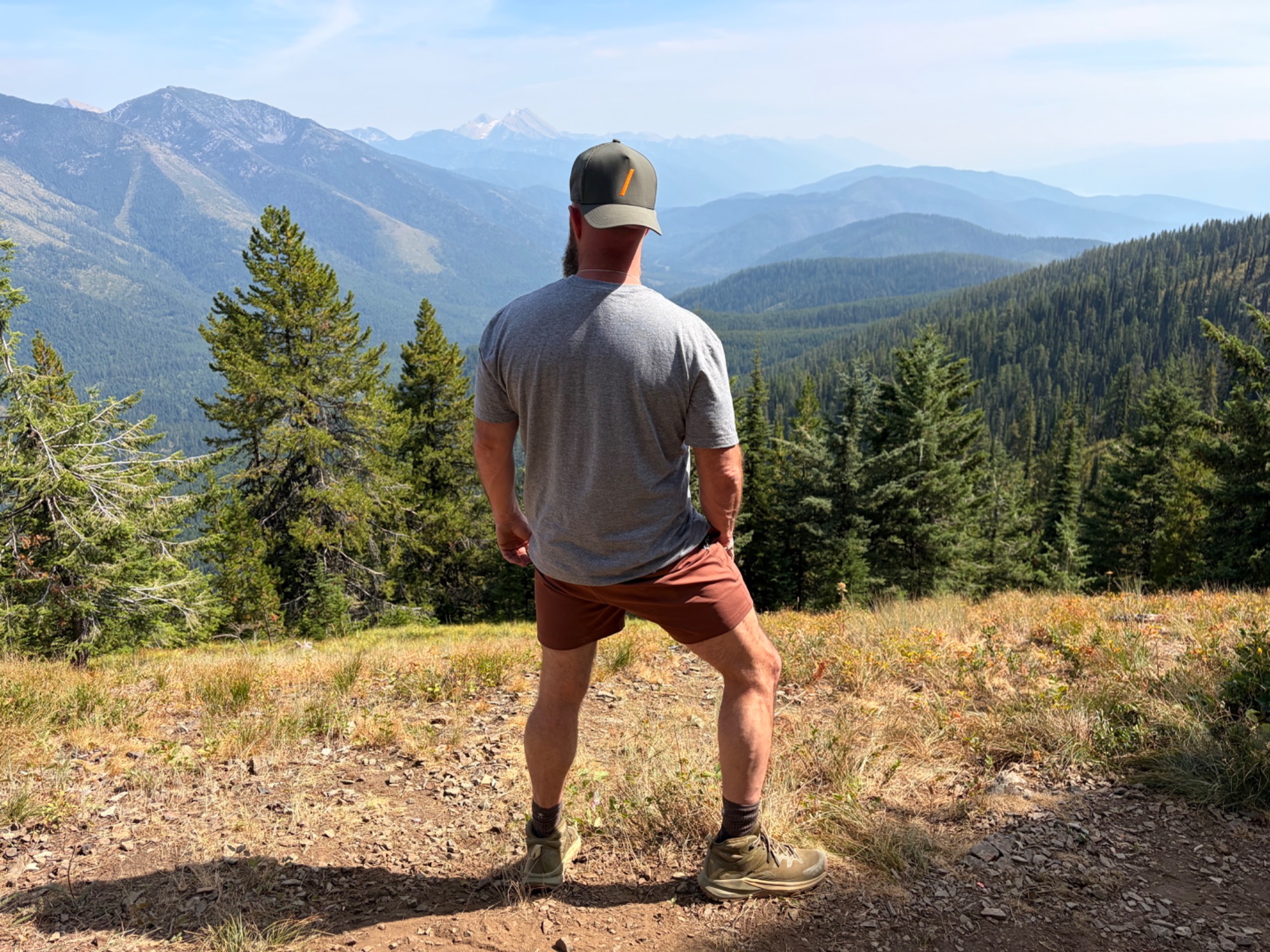
Eight years of work, and almost none of it was the part you can see.
Physical health, mental fitness, relationships, recovery, habits, and how he showed up as a man and a leader. He isn't telling this story from the finish line — he's still in it, and he says so.
The health and performance operating system for blue-collar teams: breath work, sleep, recovery, emotional fitness, built for the way crews actually work rather than the way an office app assumes they do.
He expected to have to sell guys on it. He doesn't. They're in before he finishes the pitch, because the barrier was never toughness. It was hope.
Facility
Innovations
Group
"I run Facility Innovations Group (Inc. 500), one of the country's fastest-growing energy companies. We help operators take control of their energy spend and get more out of every facility they run — across manufacturing, warehouse, distribution, schools, government, and agriculture."
Put him on your stage
Podcasts, keynotes, panels, and press. He's not there to run a forty-five minute ad for his company. He is there for the real conversation about the trades, leadership, retention, grief, and what it takes to change a culture from the inside.
Big platforms and niche ones get the same seriousness. Five thousand of exactly the right people beats five hundred thousand of the wrong ones.
Remote or in person, US-wide
Follow the build
He writes about the company, the crews, and the rebuild while it's still happening. Not from the finish line.